Heat management
Premium ceramic options focus on reducing solar heat transmission for more comfortable driving.
Ceramic Window Tint is designed for drivers prioritizing comfort and solar heat management while maintaining a clean automotive appearance. Film performance depends on the specific product and shade selected.
Compared with conventional alternatives, premium ceramic films may provide stronger infrared heat-rejection performance while retaining clear outward visibility at suitable shades. Ask us about the specific film options available.
Ask for Availability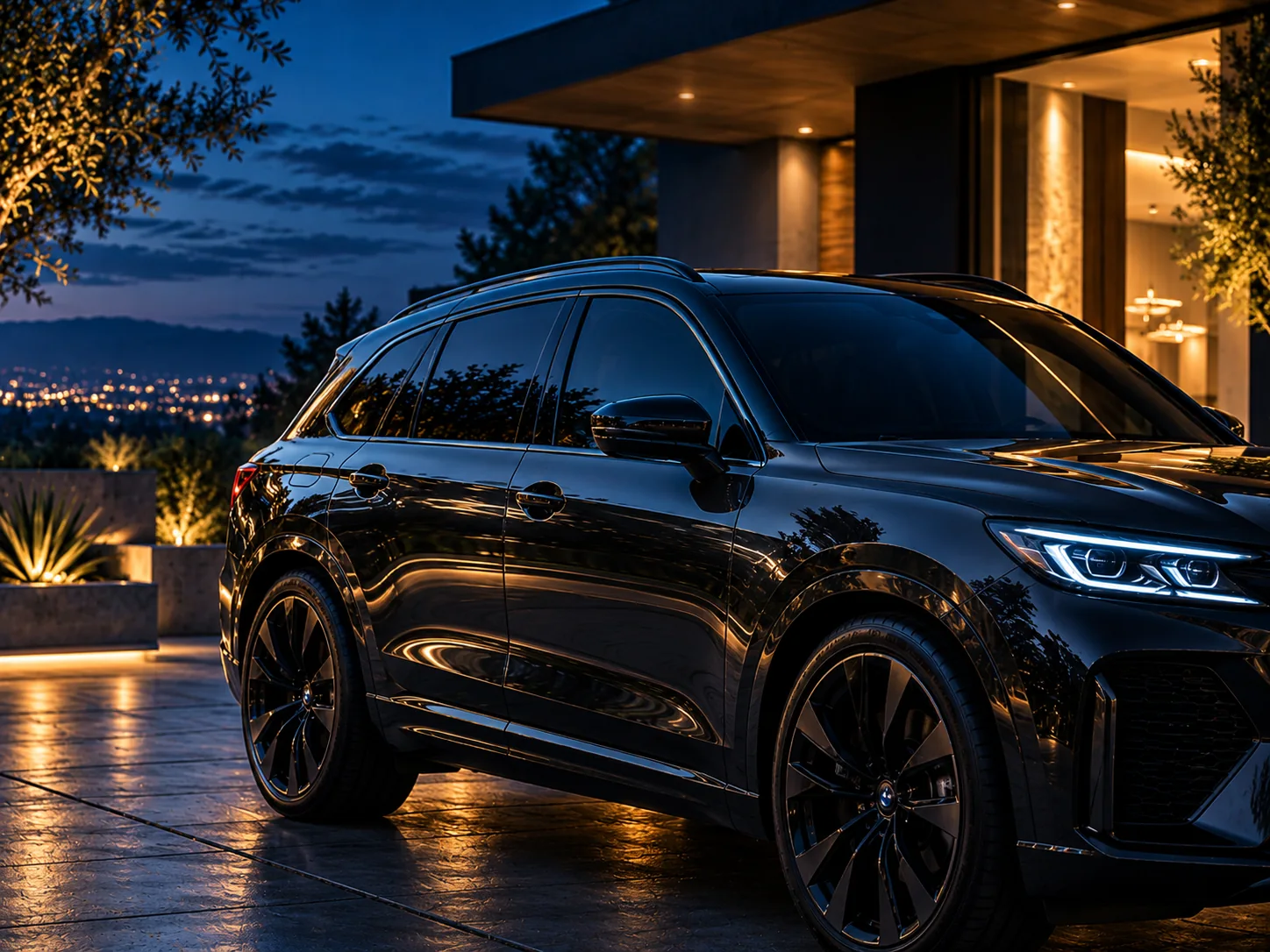
Premium ceramic options focus on reducing solar heat transmission for more comfortable driving.
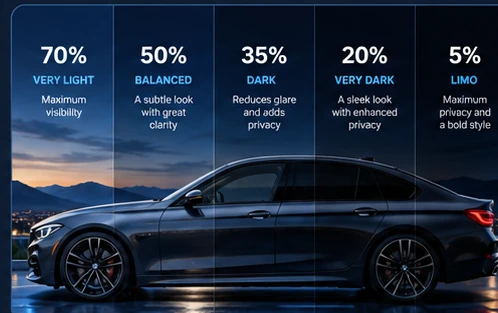
Choose from available shades to balance glare reduction, appearance, and visibility.
Ceramic Tint includes a lifetime warranty against peeling or discoloration, subject to the written warranty terms.
Ceramic automotive film uses non-metallic ceramic-related technology in many premium product lines. It is commonly selected by drivers who want to manage solar heat and glare without relying only on very dark glass.
Not all ceramic products perform equally, and heat rejection depends on the film series, visible light transmission, glass, and testing methodology. We recommend comparing specific product specifications rather than assuming all Ceramic Tint is the same.
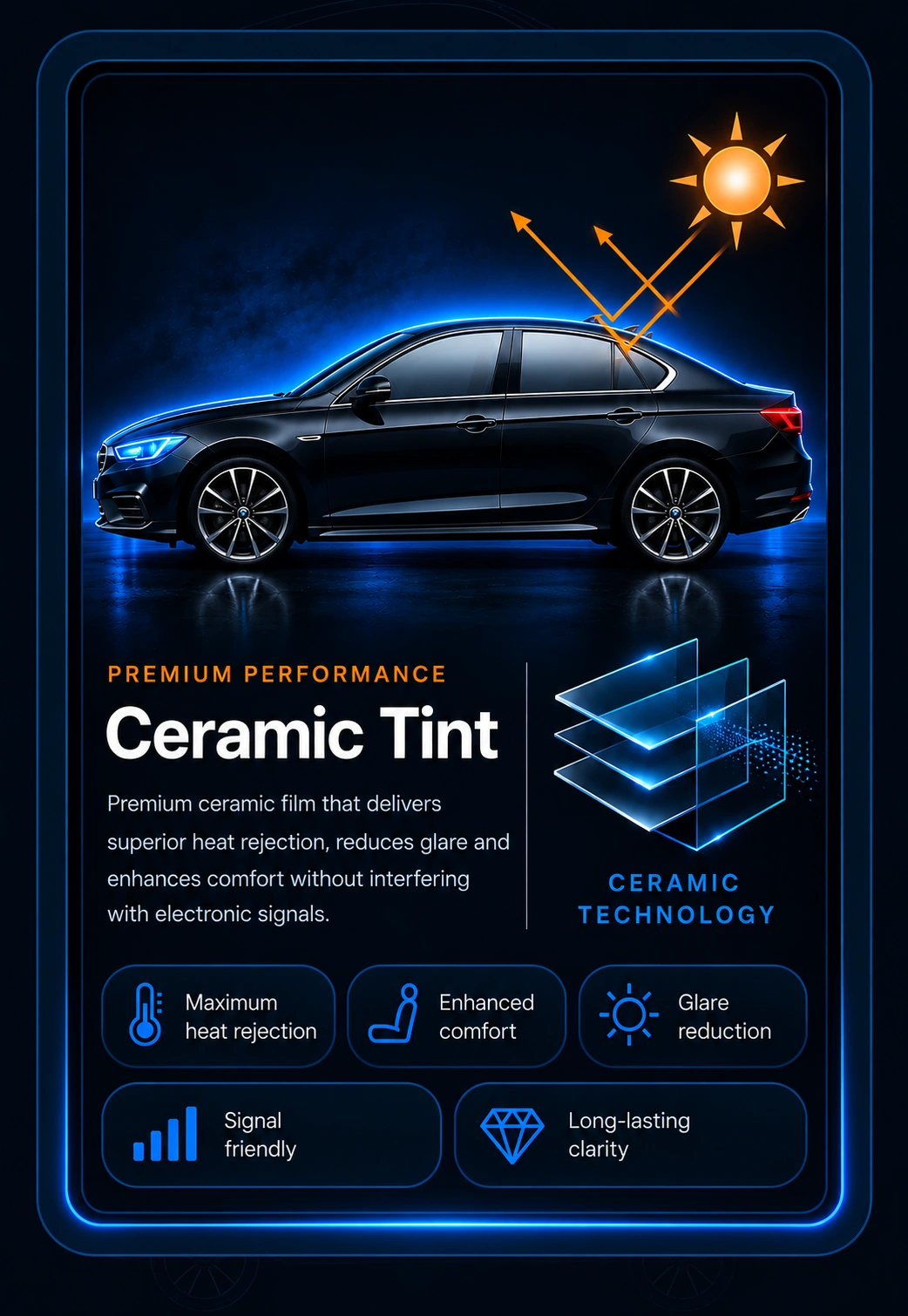
Ask about total solar energy rejection and the test conditions—not simply a single infrared percentage.
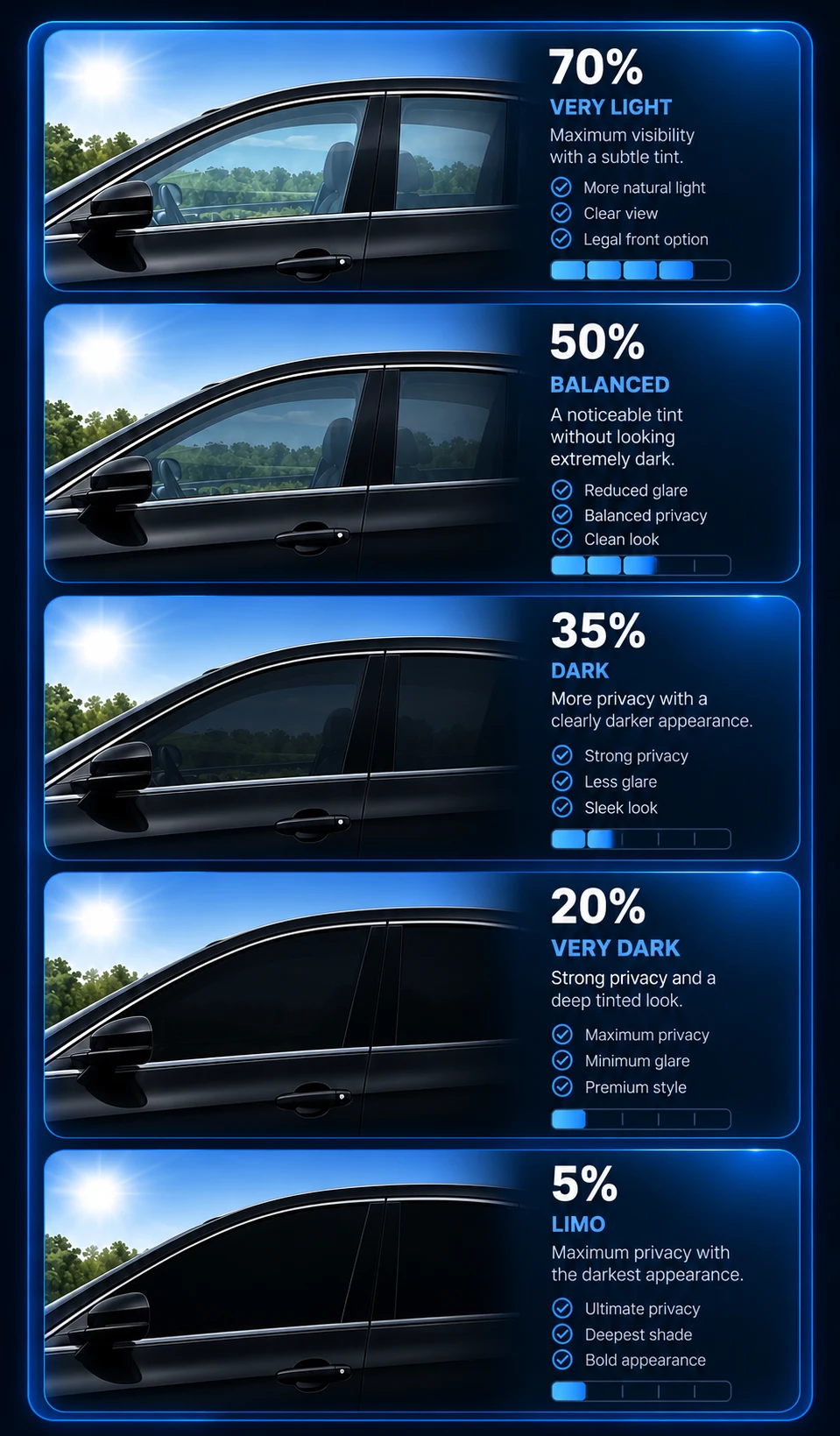
Choose a shade that suits your driving conditions, windows and applicable laws.
Many automotive films offer UV filtering, but exact performance depends on the installed product. Request product specifications.
Professional installation and appropriate care support a clean look. Warranty details should be confirmed in writing.
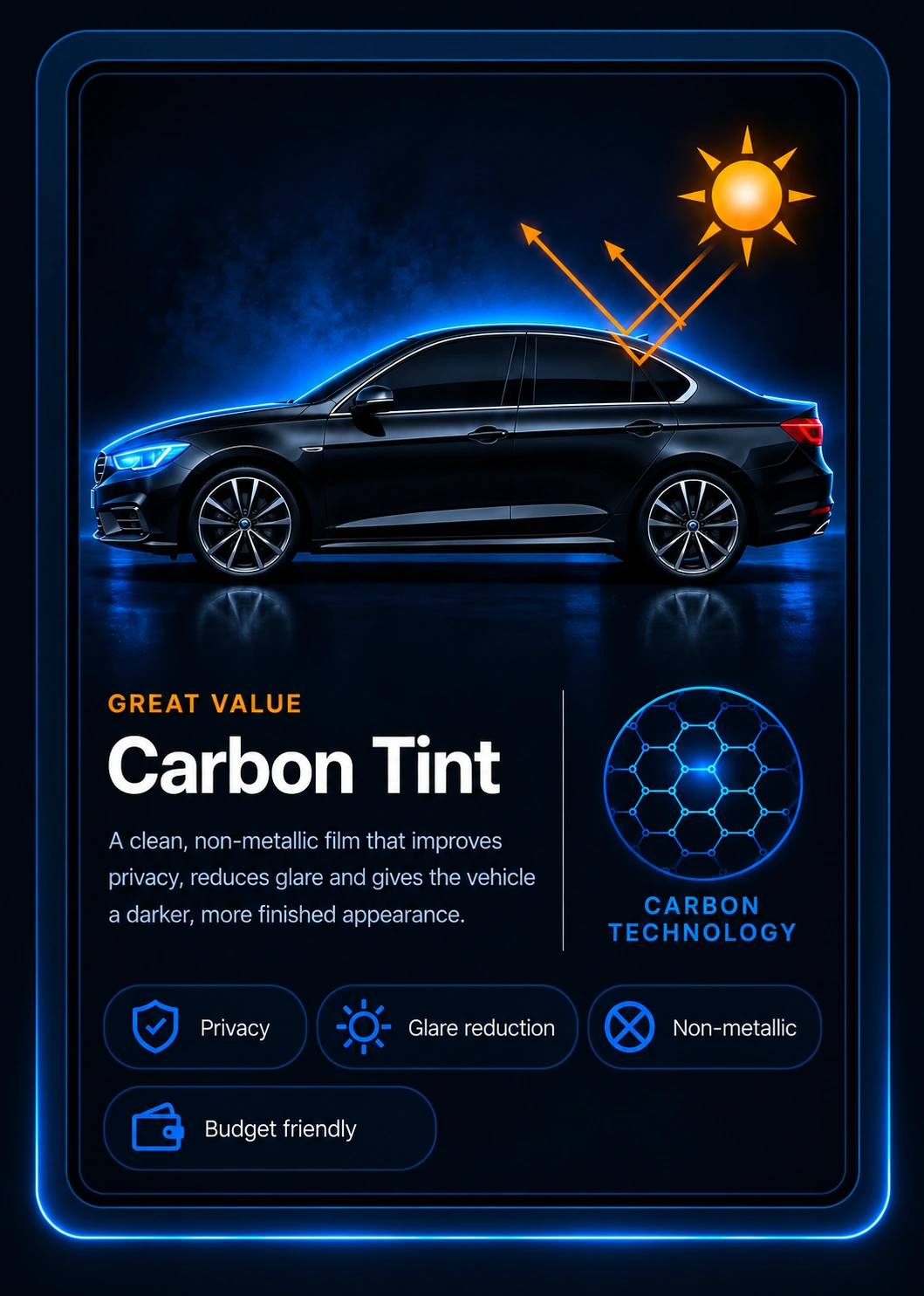
Choose Carbon Tint when value, shade and exterior appearance are the main goals. Consider Ceramic Tint when you want to explore higher-performing heat-management films for long, sunny drives or extended parking outdoors.
A Ceramic product is not necessarily legal at every shade on every window. Window placement and total visible light transmission must be reviewed before installation.
A 70% film lets through more visible light than a 20% or 5% film, but darkness alone does not describe a film’s solar performance. Quality, product type and specifications all matter.
California tint restrictions, windshield limits, the condition of original glass and nighttime visibility should be reviewed before making a final selection.
Ask for the front pair or additional side windows based on your vehicle and tint goals.
Select rear glass coverage as part of a package or a separate quote.
Windshield installations require special attention to California requirements and visibility; verify availability first.
Where suitable, we can install Ceramic Tint at an approved home or workplace location; Anaheim appointments are also available.
We confirm the vehicle, requested glass areas, location and film selection.
We compare performance priorities, visibility and applicable requirements.
Glass is cleaned and film is fitted and applied with care.
We check the finish and explain curing, maintenance and warranty conditions.
These are service illustrations and examples from our own website assets—not a claim that every pictured vehicle is a completed customer installation.
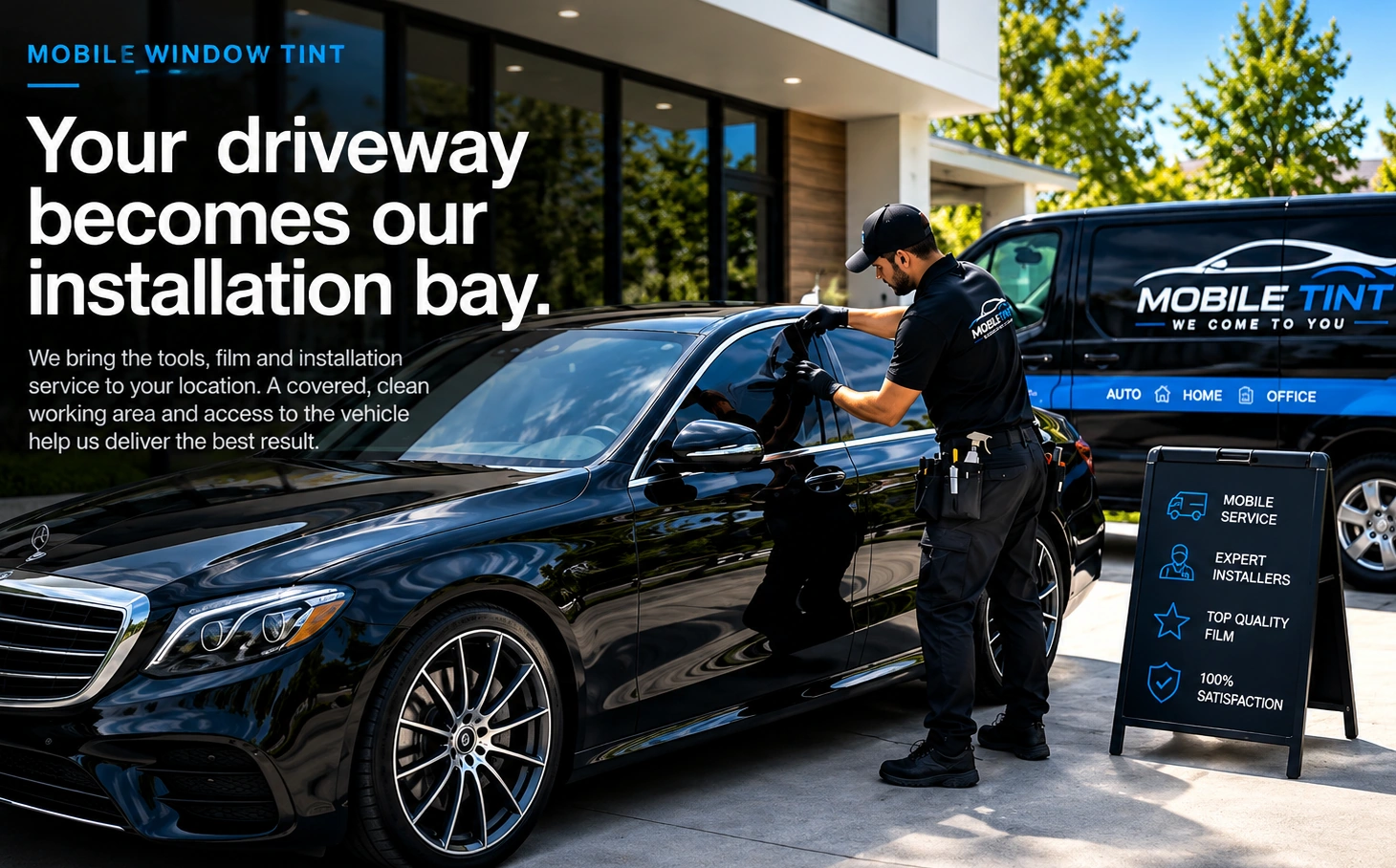
We serve drivers across Orange County, with mobile service available when the location and conditions are appropriate. You can also request an appointment at our Anaheim base. Final availability is confirmed before booking.
No window film eliminates all heat. Results depend on film specifications, glazing, exposure, and vehicle conditions.
Orange Window Tint advertises a lifetime warranty for Ceramic Tint against peeling or discoloration, subject to warranty terms. Ask for the exact coverage.
Mobile availability depends on your location and the installation conditions. We can confirm when you request a quote.
It can help manage incoming solar energy, but heat still enters through glass, vehicle surfaces and air, so a parked vehicle can become very hot.
No. Ceramic describes a film technology or product category, while VLT describes visible light transmission. Ceramic films may be offered at multiple shades.
Orange Window Tint lists lifetime Ceramic Tint coverage against peeling or discoloration, subject to written warranty terms. Confirm exclusions, ownership and claim procedures before installation.
California has specific windshield and front side window rules. Do not assume a film is permitted solely because it looks light or is described as ceramic; confirm the exact application first.
Interested in Ceramic Tint? Tell us your vehicle and preferred installation location for a personalized quote.
Ask about mobile availability in these communities, or inquire about an Anaheim appointment.